

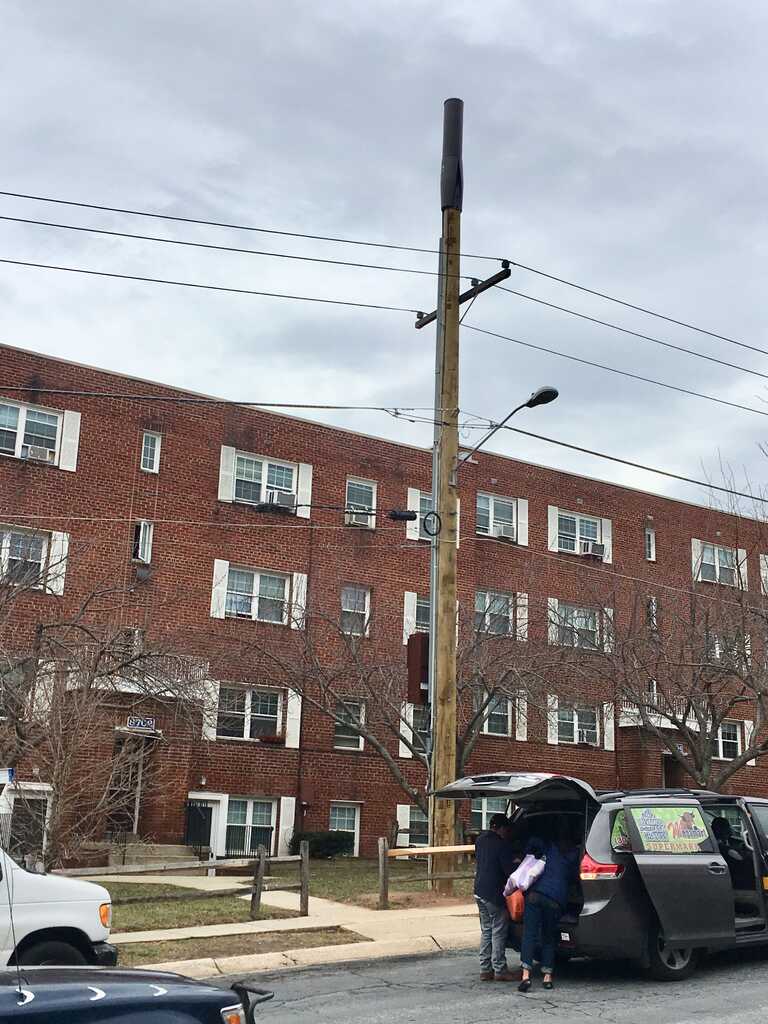
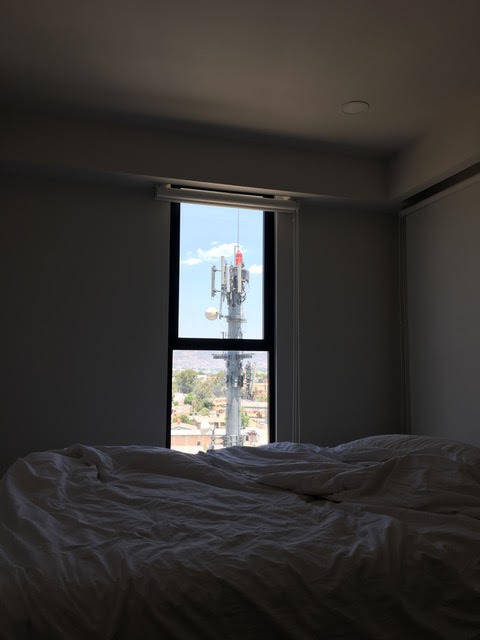
Apartment or condo residents living near cell antennas, whether from a cell tower or 4G/5G wireless antennas mounted on buildings, may experience significantly increased radiofrequency (RF) radiation exposure, particularly when transmitting antennas are located at close distances or in line of sight with living spaces. Simply put, if you can see the antenna, it likely has a clear path to reach you.
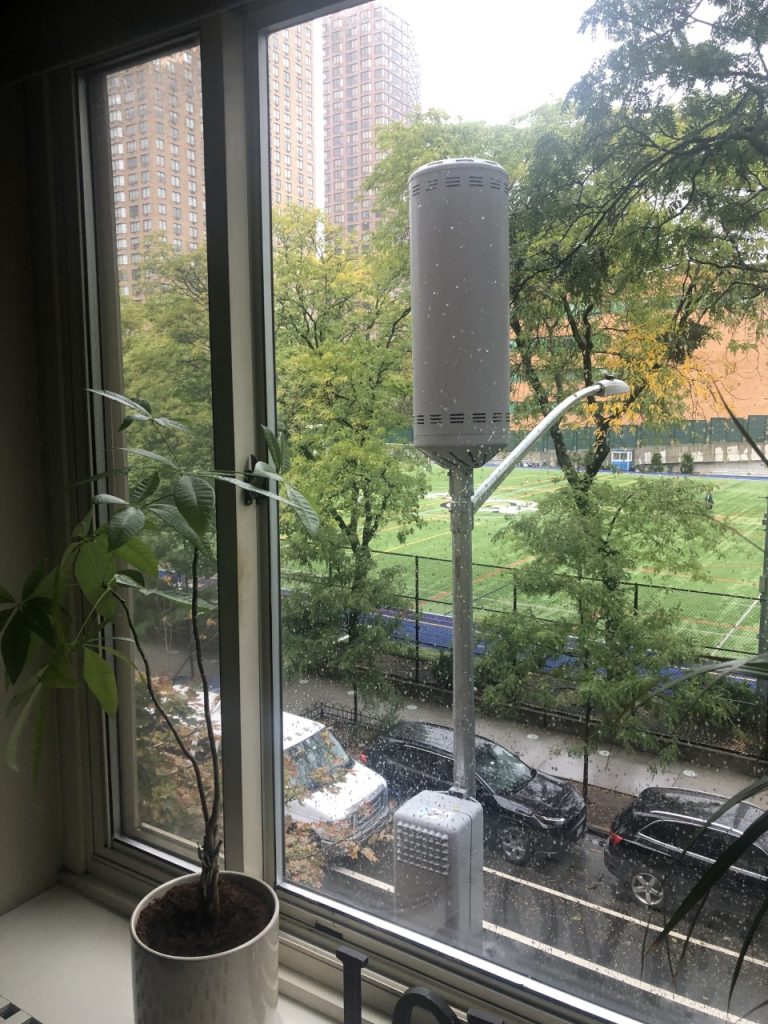
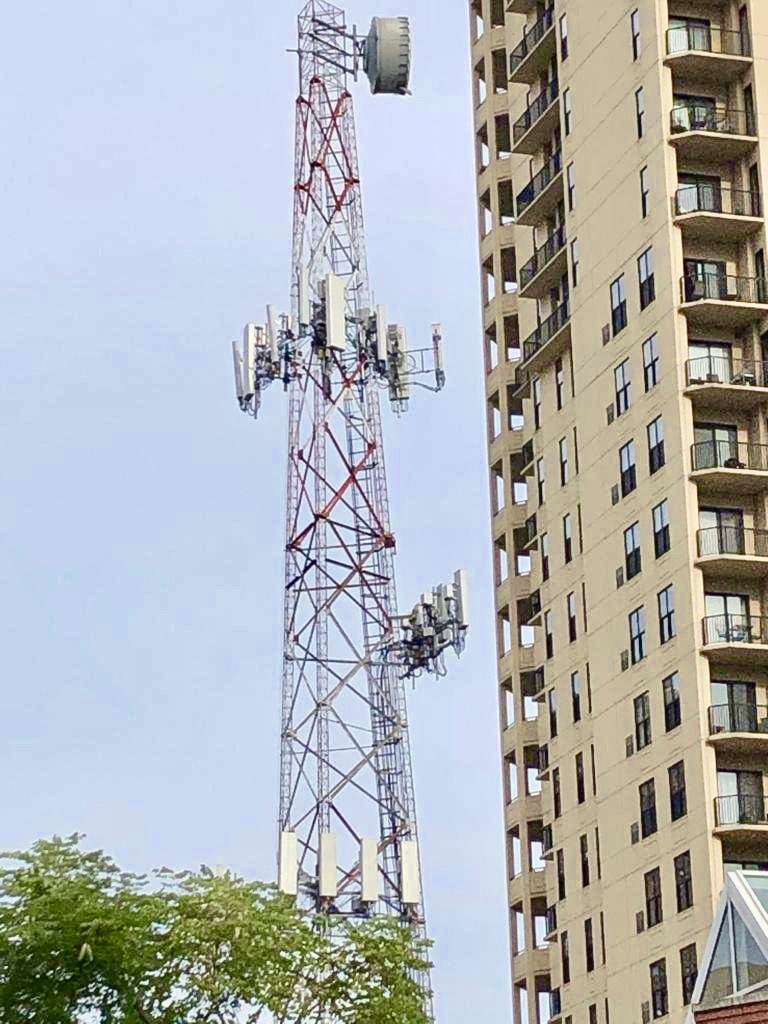
Published research in apartment buildings consistently finds higher RF exposure levels on floors facing cellular antennas, especially when units are aligned with the height of the transmitting equipment. A published review on health effects to people living near cell towers, entitled “Evidence for a health risk by RF on humans living around mobile phone base stations: From radiofrequency sickness to cancer reviewed the existing scientific literature and found radiofrequency sickness, cancer, and changes in biochemical parameters in the majority of studies.
Several case studies have also described individuals experiencing health symptoms in close line-of-sight conditions, with health improvements reported after reducing exposure or relocating.

Measurement Studies of RF Radiation From Nearby Cell Antennas
The study “Radiofrequency radiation from nearby mobile phone base stations-a case comparison of one low and one high exposure apartment,“ published in Oncology Letters by Koppel et al. (2019) measured 2 apartments and found that the apartment with high RF levels had outdoor areas as close as 6 meters (about 19.6 feet) from transmitting base station cell antennas. In contrast, the apartment with low RF exposure had cell antennas at 40 meters (about 131 feet) away from the balcony. See below an image of the high RF exposure apartment balcony.
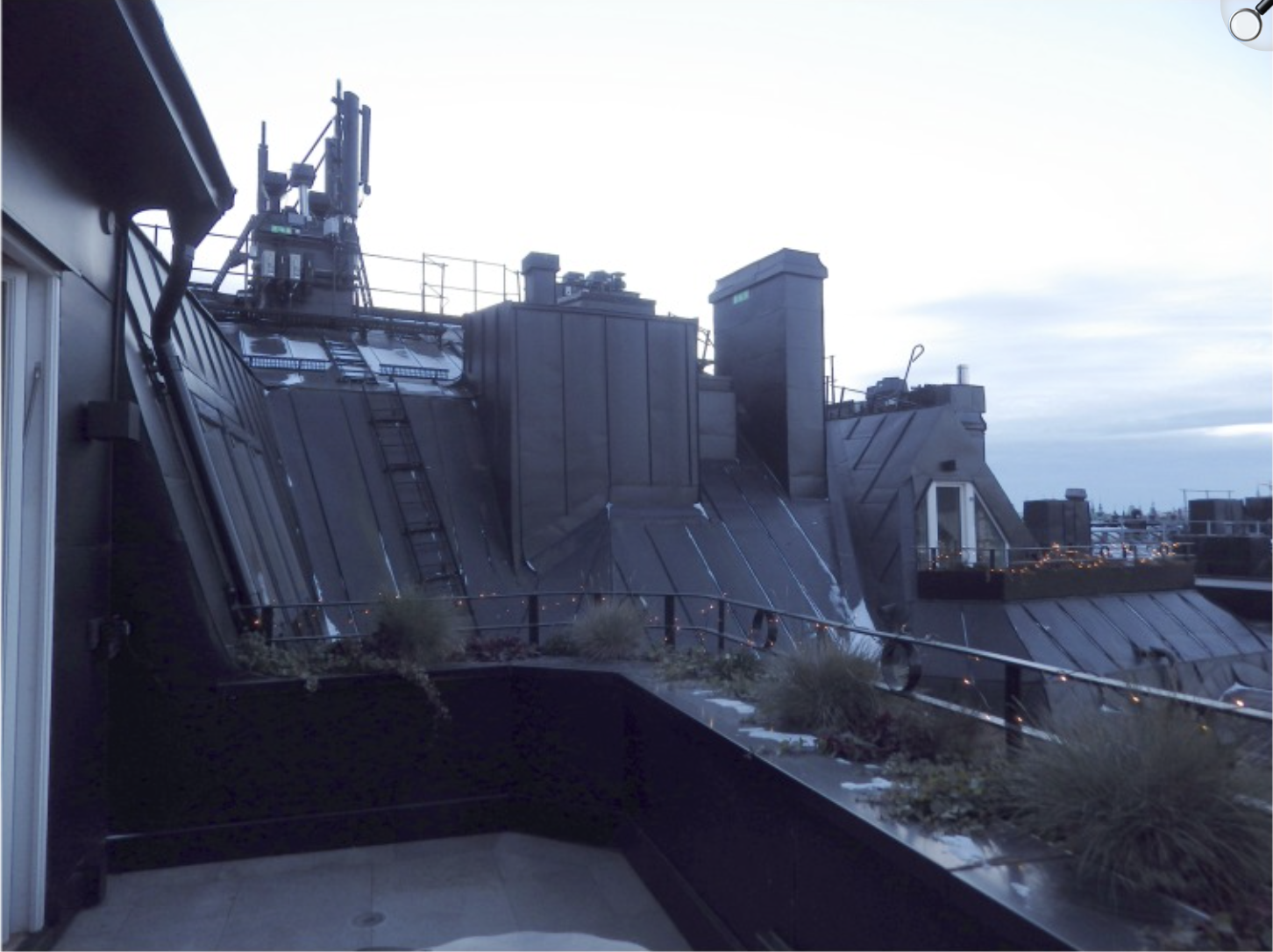
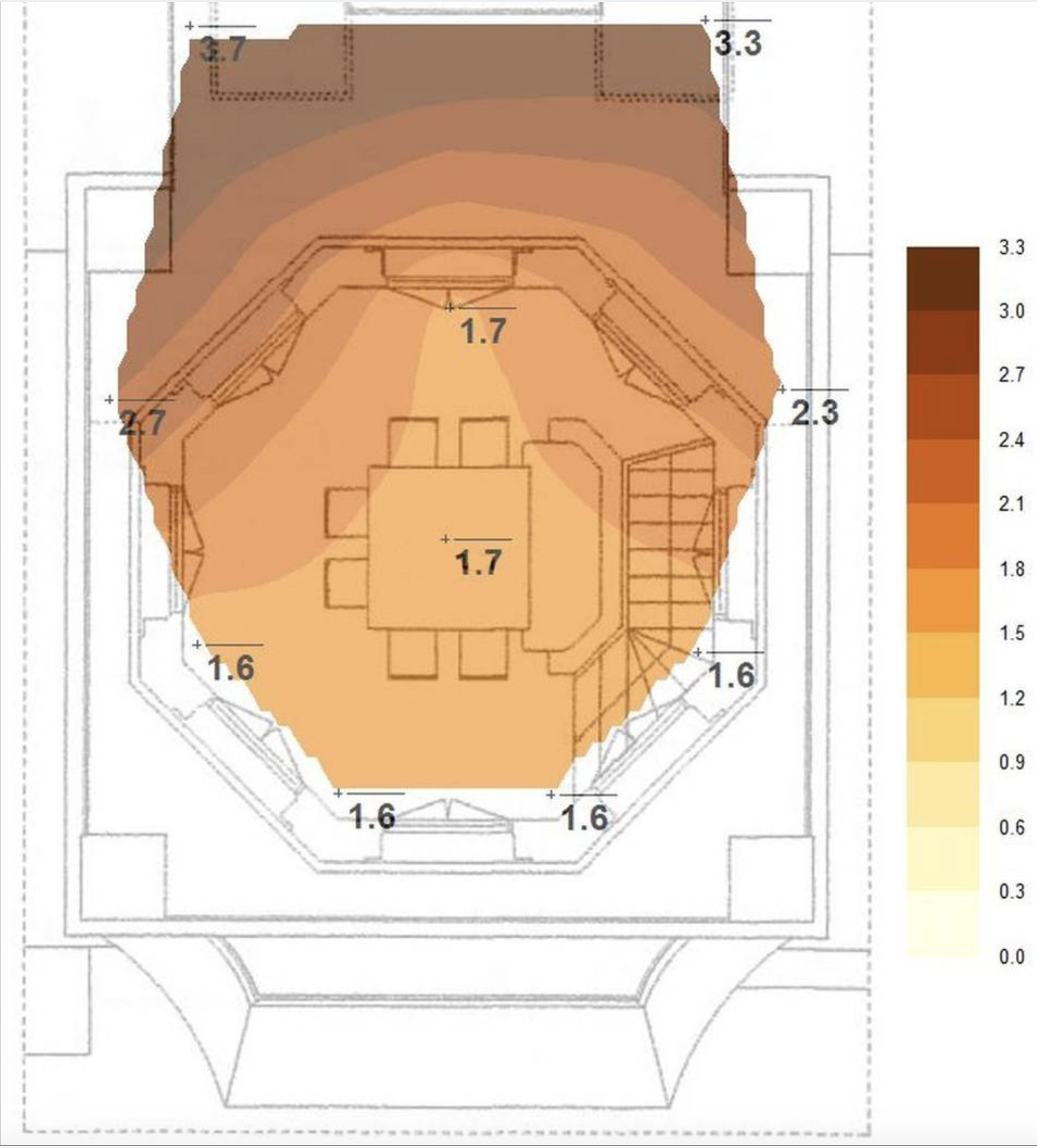
This image shows the levels of RF radiation from a transmitting cell antenna beaming into an apartment. The darker colors are higher.
Furthermore, the researchers also found that both high- and low-RF apartments had good mobile phone reception, and they concluded,“therefore, installation of base stations to risky places cannot be justified using the good reception requirement argument.”
A measurement study entitled Research and evaluation of the intensity parameters of electromagnetic fields produced by mobile communication antennas by Baltrėnas et al. (2012) published in the Journal of Environmental Engineering and Landscape Management, investigated RF power density levels from cell phone antennas located 35 meters away from a 10-story apartment building. The transmitting antennas were approximately at the same height as the 6th floor of the building. The researchers found the highest RF levels at floors 5, 6 and 7. The RF at the 6th floor balcony was three times higher than the 3rd floor balcony. The RF power density at the 6th floor was about 15 times the RF measured at the first floor.
A case report published in the journal Oncology Letters by Hardell et al. (2018) of RF radiation levels in an apartment in close proximity to rooftop cellular network antennas used an exposimeter to measure levels of different types of RF in the apartment and balconies including TV, FM, TETRA emergency services, 2G GSM, 3G UMTS, 4G LTE, DECT cordless, Wi-Fi 2.4 GHz and 5 GHz and WiMAX. The closest transmitting antennas were 6 meters away from the balcony. The researchers found 97.9% of the mean RF radiation was caused by downlink from the 2G, 3G and 4G base stations. (Downlink means frequencies emitted “down” from the base station cellular antennas.) The researchers found that if the base station RF emissions were excluded, the RF radiation in the children’s bedrooms was reduced approximately 99%.
The researchers conclude, “due to the current high RF radiation, the apartment is not suitable for long‑term living, particularly for children who may be more sensitive than adults.”
Case Reports of Health Symptoms From Living in Apartments With High RF Radiation
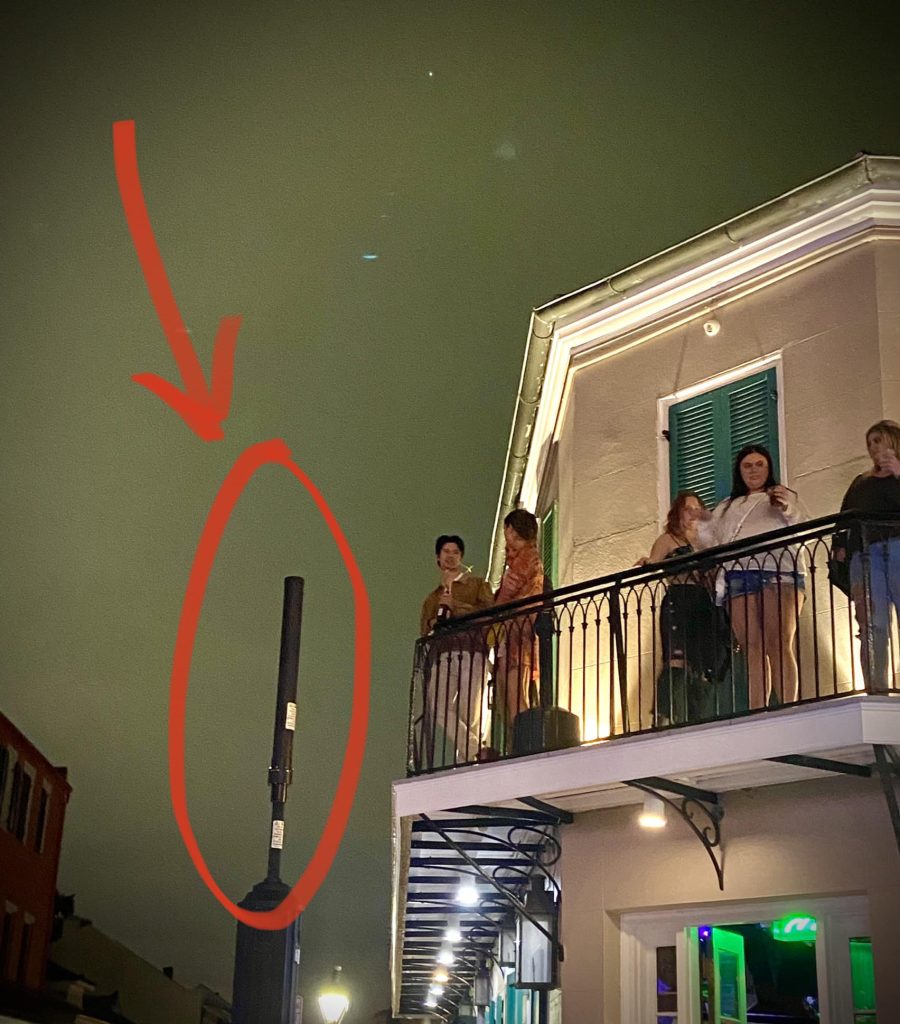
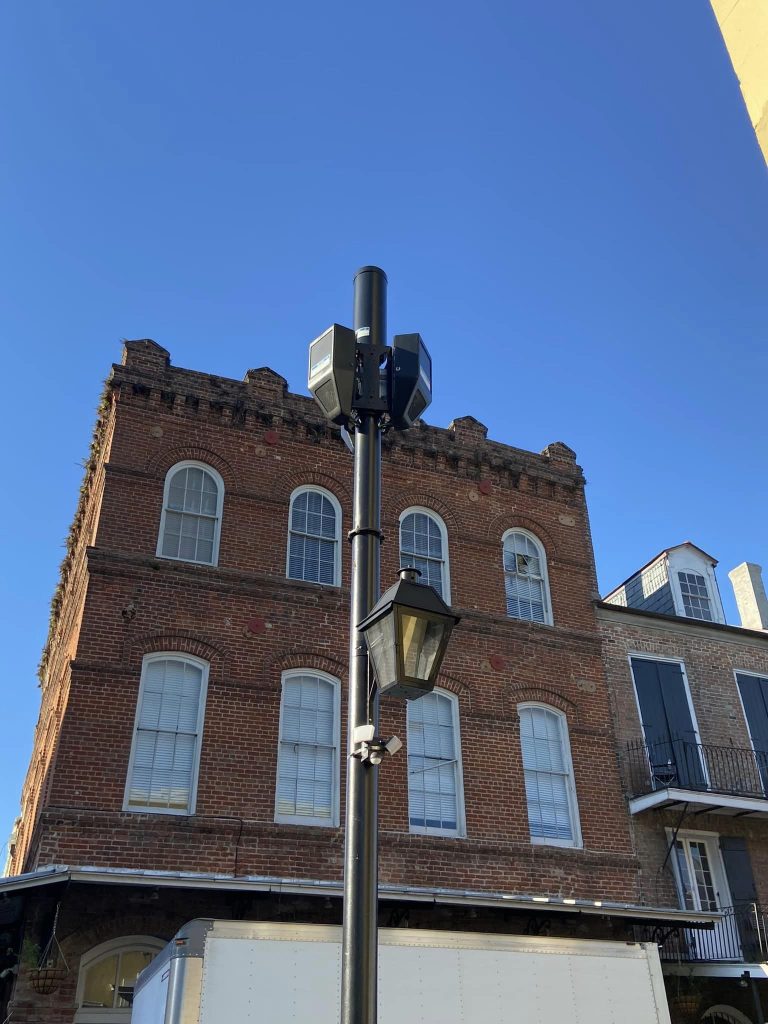
Recent case reports further describe patterns of symptoms occurring in individuals living near newly installed 4G/5G base station antennas. A 2024 review published in Reviews on Environmental Health by Hardell and Nilson summarized seven published case reports involving 16 individuals and found that people developed a range of health symptoms shortly after exposure to high levels of RF radiation from nearby antennas. In several cases, the exposure occurred in apartments where antennas were positioned on the roof above or on nearby buildings at a similar height and within direct line of sight of living spaces.
Reported symptoms included sleep disturbances, headaches, fatigue, difficulty concentrating, memory problems, irritability, and cardiovascular complaints. This constellation of symptoms has been repeatedly described in the scientific literature in association with exposure to wireless radiofrequency (RF) radiation and other forms of non-ionizing radiation, and has been referred to in the literature as the “microwave syndrome,” “radiofrequency sickness,” electromagnetic hypersensitivity (EHS), and electromagnetic radiation syndrome.
As detailed by the Electromagnetic Radiation Syndrome Alliance, “ EMR Syndrome (ElectroMagnetic Radiation Syndrome) is a medical condition, linked to exposure to man-made, artificial electromagnetic radiation (EMR). Sources of man-made EMR include cell towers, building antennas, cell phones, tablets, computers, smart meters (to record electrical, gas and water usage), 3 Wi-Fi, Bluetooth, LED and smart lighting, smart appliances, wireless baby monitors, wearables, and implanted medical devices.”
Symptom Improvement After Reducing RF Radiation Exposure
Notably, in most cases summarized by Hardell and Nilsson 2024, symptoms improved or resolved after individuals left the high RF radiation exposure environment, indicating a temporal relationship between RF radiation exposure and health effects.

Why People Living in Apartment Buildings Are More Vulnerable to Cell Antenna Placement
Apartment buildings require particular attention in wireless infrastructure planning because renters are often not informed or consulted when antennas are installed on their buildings or nearby structures. In addition, apartments are frequently located in urban or mixed-use areas, sometimes adjacent to industrial zones where antennas may be permitted and installed very close to residential units. Many local ordinances apply only to residential zones and single family homes and may not adequately address these mixed-use settings, leaving apartment residents more vulnerable to poorly sited cell antennas and higher RF radiation exposure. Addressing this gap is important for everyone, as it affects a large and often overlooked segment of the population.
Key Takeaways
Living near cell towers or 5G antennas in apartment buildings can increase exposure to radiofrequency (RF) radiation, posing serious health risk, especially when antennas are located in direct line of sight.
What you can do
- Engage with local decision-making: Get involved in local zoning, planning, and permitting processes, and advocate for policies that ensure adequate distance between cell antennas and living spaces, including apartment buildings, schools, and homes.
If you live in an apartment building:
- Assess distance and line-of-sight: Choose apartments distanced from cell antennas and without visible cell antennas, especially those directly facing balconies or windows. Mid-to-upper floors aligned with antenna height may experience higher exposure. Lower floors are often less exposed.
- Measure RF radiation levels: Consider hiring a qualified professional (an EMF expert or Building Biologist) to measure RF radiation levels in your apartment. Request that the landlord have measurements done. Note that compliance with FCC or ICNIRP limits does not equate with safety.
- Organize with other residents: Work with neighbors or tenant associations to oppose the installation of antennas on your building or directly adjacent structures. Renters are often not fully informed when antennas are placed on rooftops or nearby buildings, even though these installations can directly affect them. This must change.
If you live in a condo or HOA community
Ensure informed consent and transparency: All residents should be notified when a company proposes placing cell antennas on the building or nearby property. Before approving any installation, ensure that residents are fully informed about health and safety considerations. Numerous experts recommend avoiding the placement of antennas in close proximity to where people live and work.